
How to Make New Friends After 65
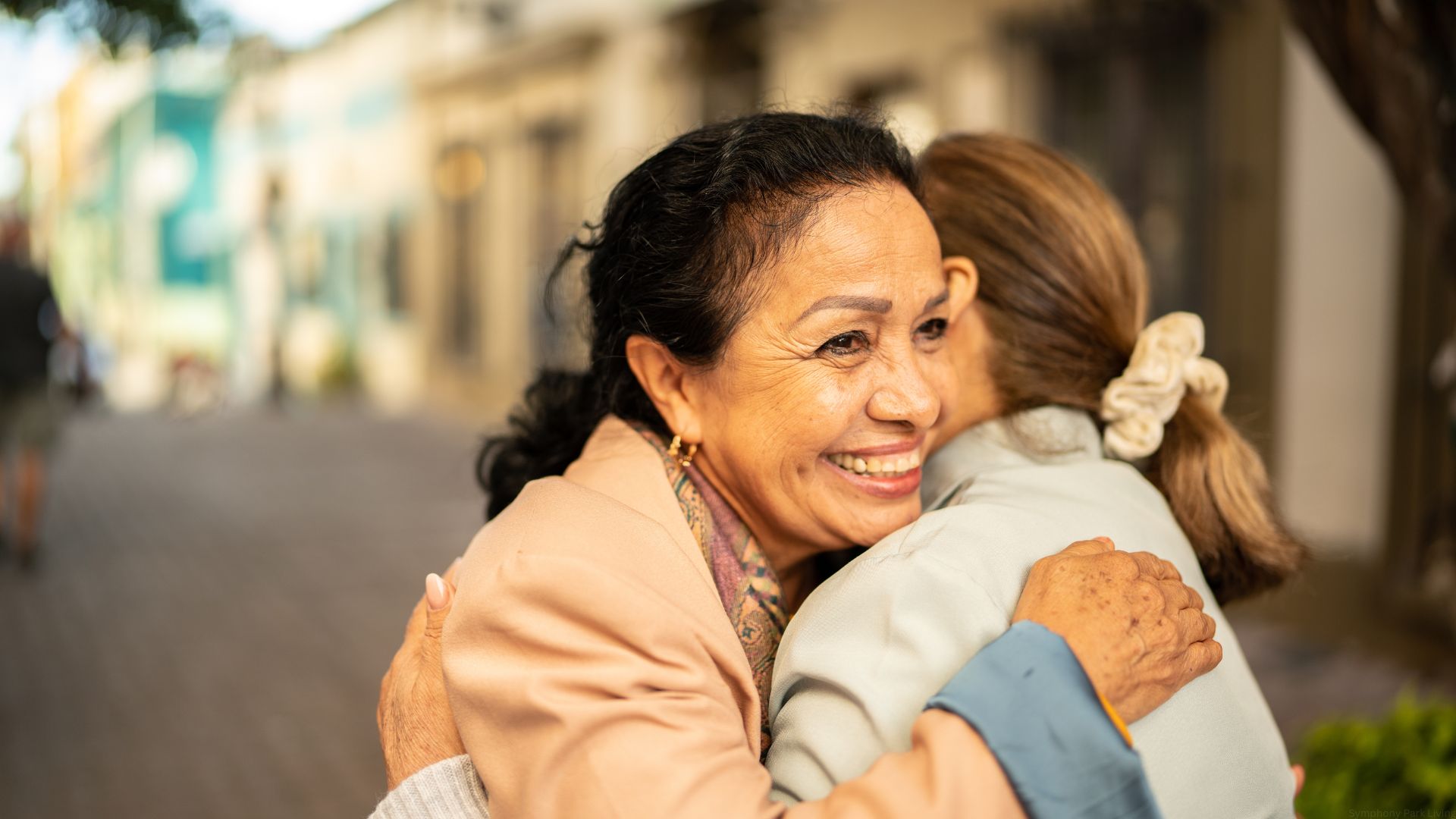
Making new friends later in life is not always talked about honestly. Most conversations about aging focus on health, finances, or housing, but loneliness is one of the most significant challenges older adults face, and it has real consequences for physical and mental health. The truth is that friendships can be formed at any age, but it does take some intentional effort, especially after the natural social structures of work and family life have changed.
Why Friendship Gets Harder After 65
It is worth acknowledging the reasons friendships become more difficult to form later in life, because pretending otherwise does not help. Several things happen at once. Retirement removes the built-in social rhythm of a workplace. Children grow up and move away. Long-time friends relocate, face health challenges, or pass away. Mobility may become more limited. And for many people, there is a sense of social confidence that quietly erodes when regular opportunities to connect disappear.
None of this means new friendships are out of reach. It means they require a bit more intentionality than they did at 30 or 40.
Why Friendship Still Matters Deeply
Research on aging consistently shows that social connection is one of the strongest predictors of health and longevity in older adults. People with close friendships tend to live longer, experience less cognitive decline, manage pain better, and report higher levels of happiness and life satisfaction. Friendships are not a luxury in later life. They are genuinely important for your health.
Beyond the research, most people who have made new friends in their 60s, 70s, or beyond describe those relationships as some of the most meaningful of their lives. Shared life experience, a clearer sense of what matters, and more time to invest in relationships all combine to make later-life friendships uniquely rich.
Where to Find New Social Connections
Community and Recreation Centers
Local community and recreation centers often offer programming specifically designed for adults 55 and older. Exercise classes, hobby groups, book clubs, and social events are all ways to meet people regularly and build familiarity over time. Consistent attendance matters here because friendships tend to grow from repeated, low-pressure contact rather than a single conversation.
Volunteering
Volunteering is one of the most effective ways for older adults to build social connections. It gives you a shared purpose with other people, which is one of the most powerful foundations for friendship. Hospitals, libraries, food banks, animal shelters, and arts organizations all welcome volunteers. Many people find that volunteer work gives them a sense of meaning that directly counters the isolation and purposelessness that can accompany retirement.
Lifelong Learning Programs
Many universities and colleges offer lifelong learning programs for adults 55 and older, often at little or no cost. These programs create natural opportunities to meet people who are curious, engaged, and interested in growing. Learning something new together is a particularly good foundation for friendship because it removes the awkwardness of conversation and gives you something real to talk about.
Faith Communities
For many older adults, a church, synagogue, mosque, or other faith community is already a primary source of social connection. If you have drifted away from a faith community or are new to an area, rejoining or exploring one can be a meaningful path back to regular social contact. Many congregations have programming specifically for older adults beyond regular services.
Interest-Based Groups and Clubs
Shared interests are among the most reliable foundations for friendship at any age. Think about what you genuinely enjoy, whether that is gardening, card games, hiking, photography, cooking, history, or music, and look for groups built around those activities. Organizations like Meetup, local Facebook groups, and community bulletin boards can point you toward what is available in your area.
Senior Living Communities
For adults who have made the move to a senior living community, the built-in social environment removes many of the barriers to connection. Shared meals, organized activities, and simply living near people in a similar stage of life create daily opportunities to form friendships that would take far more effort to build in isolation. Many residents describe finding their closest late-life friendships within their community.
How to Actually Build a Friendship
Knowing where to go is only part of the process. Many people find the harder part is knowing how to move from an acquaintance to an actual friend. A few principles can help.
Show Up Consistently
Friendship grows through repeated contact. A single conversation, even a great one, rarely turns into a close friendship on its own. Show up to the same class, group, or event regularly. Familiarity builds comfort, and comfort builds connection.
Be the One Who Reaches Out
Most people are waiting for someone else to make the first move. If you enjoyed talking with someone, say so. Suggest getting coffee, going for a walk, or simply sitting together at the next event. The discomfort of reaching out is almost always smaller than the reward.
Ask Questions and Listen Well
People feel drawn to others who seem genuinely interested in them. Ask about someone's life, their work history, their family, their passions. Then actually listen. The best friendships often start not with someone being fascinating but with someone feeling truly heard.
Be Patient with the Process
Deep friendships take time. It is normal for things to feel awkward or superficial at first. Resist the urge to give up after a few attempts. Some of the most meaningful friendships develop slowly over months of casual contact before something clicks.
A Word About Grief and Friendship
For many adults over 65, making new friends is also tangled up with grief. The loss of longtime friends, a spouse, or a sibling can leave a painful gap that new relationships feel inadequate to fill. It is important to honor that grief while also allowing yourself to remain open. New friendships are not replacements. They are something entirely their own.
Symphony Park and the Power of Community
One of the things residents of Symphony Park in Huntersville, North Carolina, most often describe is how much easier it is to build friendships when connection is built into everyday life. With six dining venues, shared activity spaces, clubs, fitness classes, and a calendar of social events, the community is designed to create natural, repeated opportunities to meet people and build relationships. For adults who have been feeling isolated, the move to Symphony Park often marks a turning point. To learn more, visit symphonyparkliving.com.
Start Small, Stay Open
Making new friends after 65 is not about performing social confidence you may not feel right now. It is about showing up, being curious about other people, and giving things enough time to develop. The connections are out there. The people who want them are there too. Take the first step, and then the next one.
Frequently Asked Questions
Is it harder to make friends as you get older?
How can I make friends if I have limited mobility?
What if I am an introvert who finds socializing draining?
How long does it take to make a real friend?
Can loneliness affect physical health?
Related posts
Learn more about senior living and retirement in North Carolina.
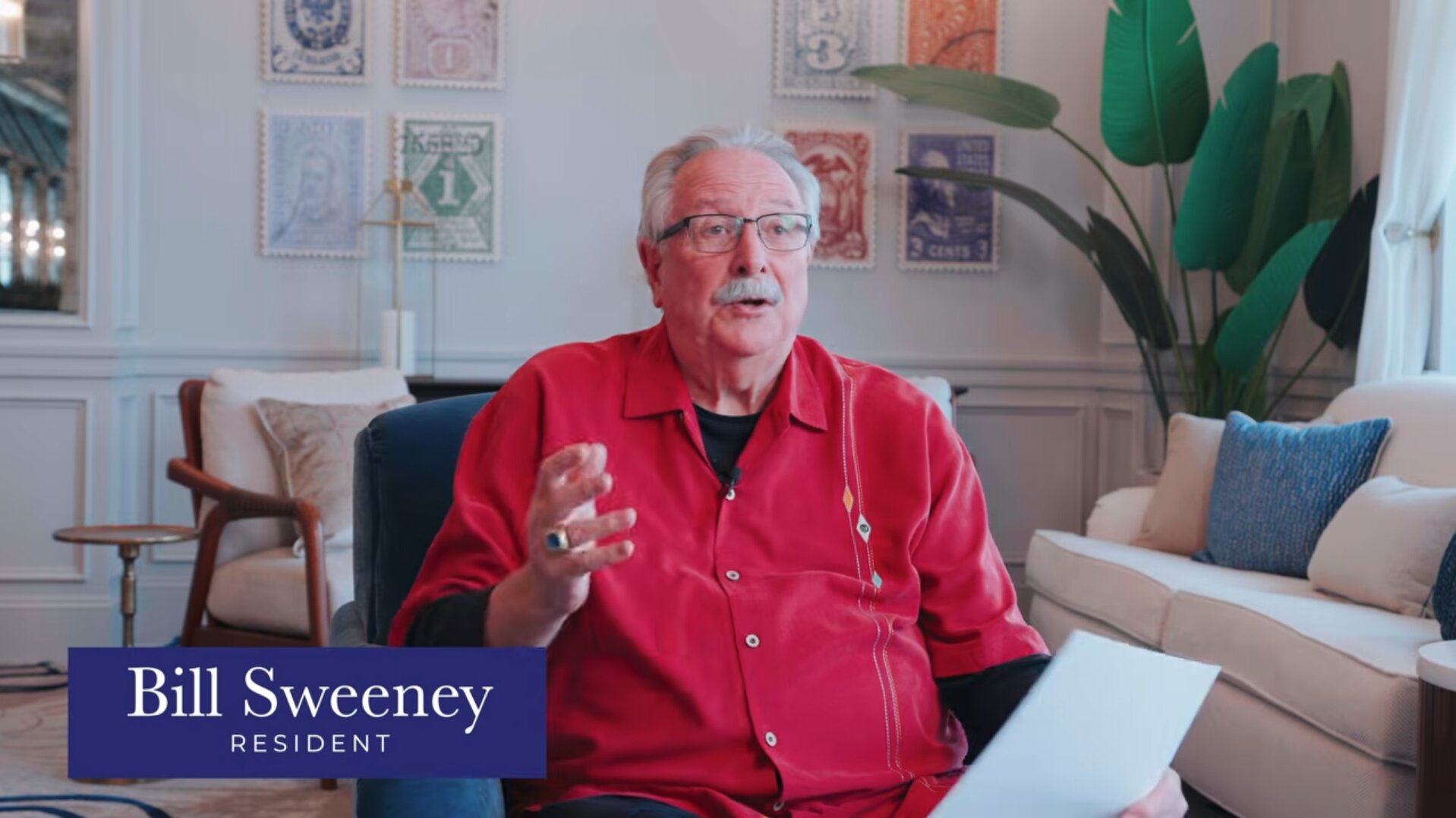
Why Bill Sweeney Chose Symphony Park

What Does "Luxury" Really Mean in Independent Living?

My Children Live in Charlotte, How Do I Know if Symphony Park Is Right for Me?
Contact Us
More than senior living apartments—Luxury independent living awaits you at Symphony Park. Contact us today to explore resort-style retirement living in North Carolina.