
Renting vs. Owning After 65: What Makes Sense?

For most of your adult life, homeownership was probably the assumed goal. Buy a house, build equity, pay it off. For a long stretch of time, that framework made a lot of sense. But when you reach 65 and beyond, the calculus starts to shift. Maintenance costs rise, fixed incomes require more careful management, and the appeal of a simpler, more flexible lifestyle becomes harder to ignore.
The question of whether to rent or own in retirement is one that more and more older adults are wrestling with. And renting is winning more often than it used to. According to a 2025 study, the number of renters aged 65 and older surged 30 percent over the past decade, outpacing every other age group. That shift is not happening by accident. It reflects a real change in how seniors are thinking about housing, money, and quality of life.
This guide walks through both sides honestly, so you can make the choice that fits your life.
The Case for Continuing to Own
Homeownership still has real advantages in retirement, especially for those who own their home outright or are close to it.
Predictable Housing Costs
If you have paid off your mortgage or are near the end of it, your monthly housing costs are largely fixed. You know what you owe in property taxes and insurance, and you do not have to worry about a landlord raising your rent. For retirees on a fixed income, that kind of predictability has genuine value.
Equity and Wealth
Your home may be one of the largest financial assets you have. If the local real estate market is strong, staying put or selling at the right moment can generate significant wealth. That equity can also serve as a financial safety net, accessible through a home sale, home equity loan, or reverse mortgage if needs arise.
Stability and Roots
Owning gives you a sense of permanence. You are part of a neighborhood, a community. You can paint the walls, renovate the kitchen, or plant a garden without asking permission. For people who value that rootedness and have no intention of relocating, owning can make a lot of sense.
Tax Benefits
Homeowners may qualify for deductions on mortgage interest and property taxes, and can benefit from the capital gains exclusion when they eventually sell. Many states also offer senior-specific property tax relief programs that can meaningfully reduce annual costs. A tax professional can help you identify what applies in your state.
The Growing Case for Renting
For a growing number of people over 65, renting is not a fallback position. It is a deliberate choice, and often a smart one.
No Maintenance Responsibilities
This is the one that resonates most with older renters. When the roof leaks or the HVAC fails, it is not your problem to solve or pay for. As homes age and as owners age with them, the cost and effort of maintenance tends to climb. For someone in their 70s or 80s managing a large home on their own, that burden can become genuinely exhausting. Renting means a maintenance-free lifestyle.
Flexibility to Adapt
Life in retirement changes in ways that are hard to predict. Your health may shift. Your family may relocate. Your interests and priorities will evolve. Renting gives you the ability to adapt without the complexity of selling a home every time you want to make a change. That flexibility has real value, even if it is hard to put a dollar figure on it.
Unlocking Home Equity
Selling a home and transitioning to renting can release a significant amount of capital. Those proceeds can be invested, held in reserve for healthcare costs, or used to fund a lifestyle that actually reflects what you want to do in retirement. For people who have most of their net worth tied up in their home, this can be a meaningful financial shift.
Simplicity and Peace of Mind
Many retirees describe renting as making life easier or right-sizing their life. Fewer things to manage, fewer decisions to make, fewer unexpected costs. When your housing is handled, your attention and energy can go to the parts of life that actually matter to you.
What Renting Looks Like in a Senior Living Community
Renting in retirement does not have to mean a generic apartment with a landlord you never meet. Senior living communities offer a very different version of renting, one designed specifically for this stage of life.
In an independent living community, your monthly lease typically covers far more than just a roof over your head. Utilities, housekeeping, dining, fitness classes, transportation, and 24/7 support are often included. You are not just renting a space; you are gaining access to a full lifestyle, with neighbors, activities, and amenities that a standalone home simply cannot replicate.
This model also eliminates most of the downsides people associate with renting. There is no maintenance to handle, no landlord to chase down, and no uncertainty about the quality of the community around you. Many residents find this version of renting feels more like resort living than anything else.
The Tradeoffs
Neither option is without drawbacks, and it is worth being clear-eyed about both.
Renting does mean giving up equity accumulation. If you are renting for many years, the monthly cost adds up, and you are not building any ownership stake. Rent can also rise over time, which is a real concern for anyone on a fixed income. National rent growth has averaged between 3 and 5 percent annually over the past decade, meaning costs do climb.
Owning, on the other hand, comes with costs that are easy to underestimate. Homeowners insurance premiums have risen significantly in recent years. Property taxes can increase. And the older a home gets, the more likely it is that major systems, like the roof, HVAC, or plumbing, will need replacing. These expenses land entirely on the owner.
The question is not which option is cheaper in the abstract. It is which one fits your financial reality, your health, and the life you actually want to live.
Questions to Ask Yourself
Working through the rent-versus-own question is easier when you have a clear picture of your own priorities. Here are some worth sitting with:
- Do you want to stay in your current home long-term, or are you open to moving in the next few years?
- How much of your net worth is tied up in your home, and would you benefit from unlocking that equity?
- How much time and energy do you spend on home maintenance, and is that a burden you want to continue carrying?
- Is community and daily social connection something you are getting enough of where you live now?
- What does your healthcare picture look like, and how might your housing needs change over the next 10 to 15 years?
- What do you actually want your daily life to look like, and which housing option gets you closer to that?
Renting at Symphony Park
Symphony Park in Huntersville, North Carolina offers a rental model that redefines what renting in retirement looks like. Our 240 one- and two-bedroom luxury apartment suites come with private balconies or patios, full kitchens with quartz countertops, hardwood floors, large en-suite bathrooms, and in-suite washer and dryer units.
Your monthly lease includes a $500 dining allowance per person across six unique restaurants, weekly housekeeping, all utilities, 24/7 concierge service, group fitness classes, and scheduled transportation. You are also steps away from an indoor pool, art studio, movie theater, salon and spa, and a full calendar of social events and enrichment programming.
Monthly pricing starts at $4,495. To learn more contact us and schedule your tour today.
Renting vs Owning: The Takeaway
The rent-versus-own decision after 65 is not one-size-fits-all. For some people, staying in a paid-off home with strong equity and low carrying costs is exactly the right move. For others, the freedom, simplicity, and lifestyle that come with renting are worth far more than the financial security of ownership.
The best choice is the one that fits your money, your health, and the life you actually want to be living. Take the time to run the numbers, talk to a financial advisor, and be honest about what you need. The answer is usually clearer than it first appears.
Frequently Asked Questions
Is it better to rent or own a home after 65?
How many seniors rent instead of own?
What are the biggest financial risks of renting in retirement?
What are the biggest financial risks of owning a home in retirement?
What does renting in a senior living community include?
Related posts
Learn more about senior living and retirement in North Carolina.

A Day in the Life at a Luxury 55+ Community
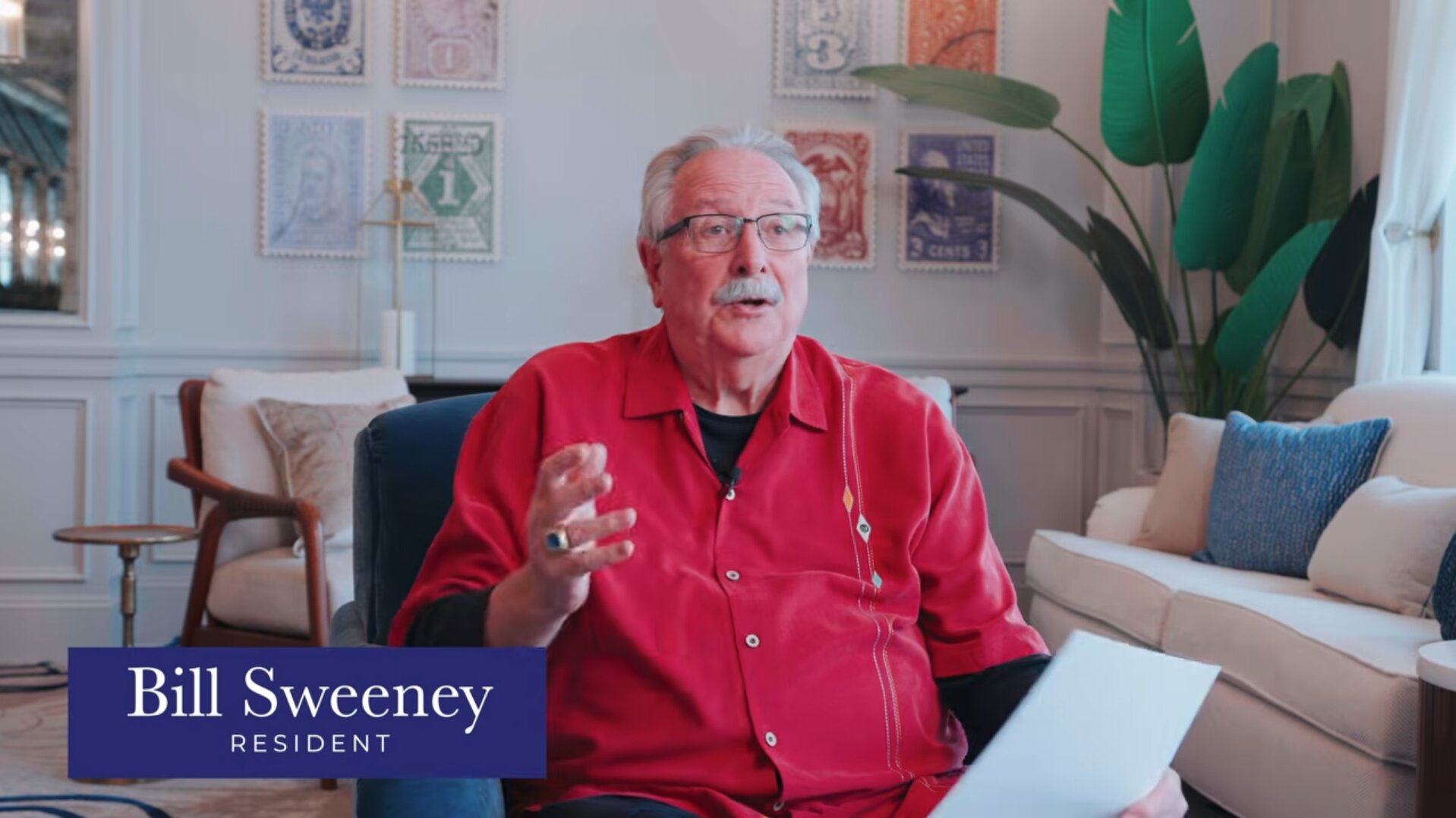
Why Bill Sweeney Chose Symphony Park

What Does "Luxury" Really Mean in Independent Living?
Contact Us
More than senior living apartments—Luxury independent living awaits you at Symphony Park. Contact us today to explore resort-style retirement living in North Carolina.