
Strength Training After 60: What You Should Know
.jpg)
A lot of people assume that lifting weights is something you do when you are young, and that you should slow down once you hit 60. The truth is actually the opposite. Strength training for seniors is one of the most powerful things you can do to protect your health, stay independent, and feel better in your daily life.
Research consistently shows that older adults who engage in regular resistance training enjoy stronger muscles, better balance, healthier bones, and a sharper mind. It is never too late to start, and you do not have to be an athlete to benefit. Whether you are brand new to exercise or getting back into a routine, this guide will walk you through everything you need to know.
Why Strength Training Matters More After 60
Starting around age 30, adults naturally lose muscle mass at a rate of about 3 to 5 percent per decade. By the time you reach your 60s, that loss can really start to show up in your daily life. You might notice that climbing stairs feels harder, carrying groceries is more of a challenge, or that your balance is not quite what it used to be. This gradual muscle loss is called sarcopenia, and it is one of the leading reasons older adults lose their independence.
The good news is that strength training directly fights sarcopenia. Multiple studies, including research published by the National Institutes of Health, have found that older adults who do resistance training two to three times per week can rebuild muscle, improve physical function, and significantly reduce their risk of falls. These are not small gains. They are the kinds of improvements that help you stay active, travel, play with grandchildren, and live life on your own terms.
The Key Benefits of Strength Training for Seniors
Strength training does much more than build muscle. Here are some of the most meaningful benefits for adults over 60:
Improved Bone Density
Osteoporosis is a serious concern for older adults, especially women after menopause. Weight-bearing exercise like strength training puts healthy stress on your bones, which signals your body to make them denser and stronger. This reduces the risk of fractures from falls or everyday activity.
Better Balance and Fall Prevention
Falls are the leading cause of injury among adults 65 and older, according to the Centers for Disease Control and Prevention. Strengthening the muscles in your legs, core, and hips greatly improves your balance and your ability to catch yourself before a fall happens. Many seniors see dramatic improvements in stability within just a few weeks of starting a program.
Healthier Weight Management
Muscle tissue burns more calories at rest than fat tissue does. As you build muscle through strength training, your metabolism gets a natural boost. This makes it easier to maintain a healthy weight, which in turn reduces pressure on your joints and lowers your risk for conditions like Type 2 diabetes and heart disease.
Less Joint Pain
It sounds counterintuitive, but gentle resistance training can actually reduce joint pain caused by arthritis. Stronger muscles around a joint provide better support and absorb more of the impact that the joint would otherwise take. Many people with knee or hip arthritis find that a well-structured exercise program reduces their daily pain significantly.
Mental and Cognitive Benefits
Exercise is good for the brain, not just the body. Research has linked regular physical activity, including strength training, to improved memory, reduced risk of depression, and a lower likelihood of developing dementia. The mental lift you feel after a workout is real, and the long-term cognitive benefits are significant.
Is Strength Training Safe for Seniors?
Yes, strength training is safe for most older adults when done properly. The key word there is "properly." Before starting any new exercise program, you should always check in with your doctor, especially if you have existing health conditions like heart disease, osteoporosis, or severe arthritis. Your doctor may have specific recommendations or restrictions based on your health history.
Once you have that clearance, working with a certified personal trainer who has experience with older adults can make a big difference. A good trainer will help you learn proper form, choose the right starting weights, and progress at a pace that challenges you without putting you at risk. Many gyms, community centers, and senior living communities offer fitness classes specifically designed for older adults.
Best Strength Training Exercises for Seniors
The best exercises for older adults are ones that mimic everyday movements, are low-impact on the joints, and can be scaled to your current fitness level. Here are some of the most effective options:
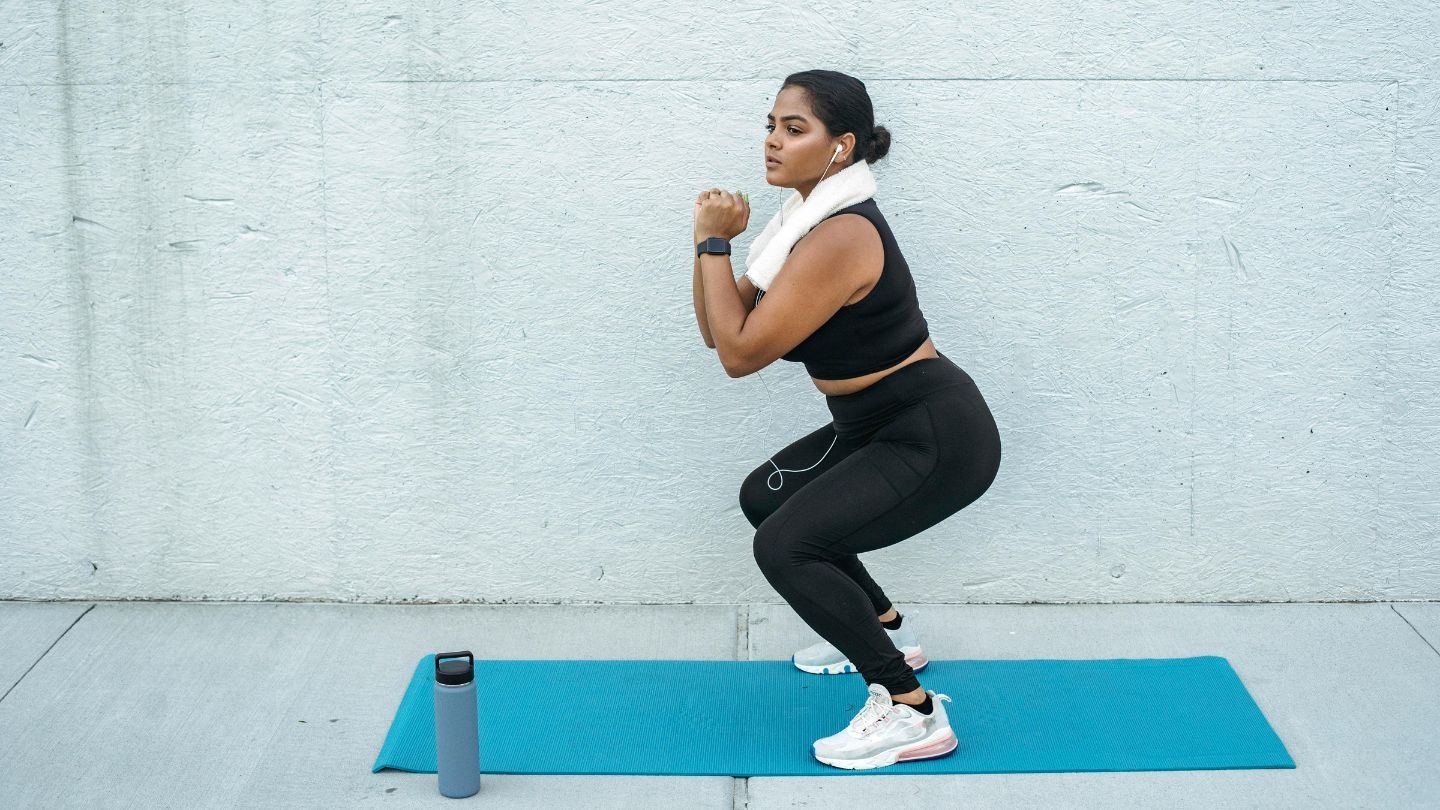
Bodyweight Squats
Squats strengthen the thighs, glutes, and core muscles, all of which are essential for standing up from a chair, climbing stairs, and maintaining balance. If a full squat is too difficult at first, a chair squat (sitting down and standing back up slowly) is a great starting point.
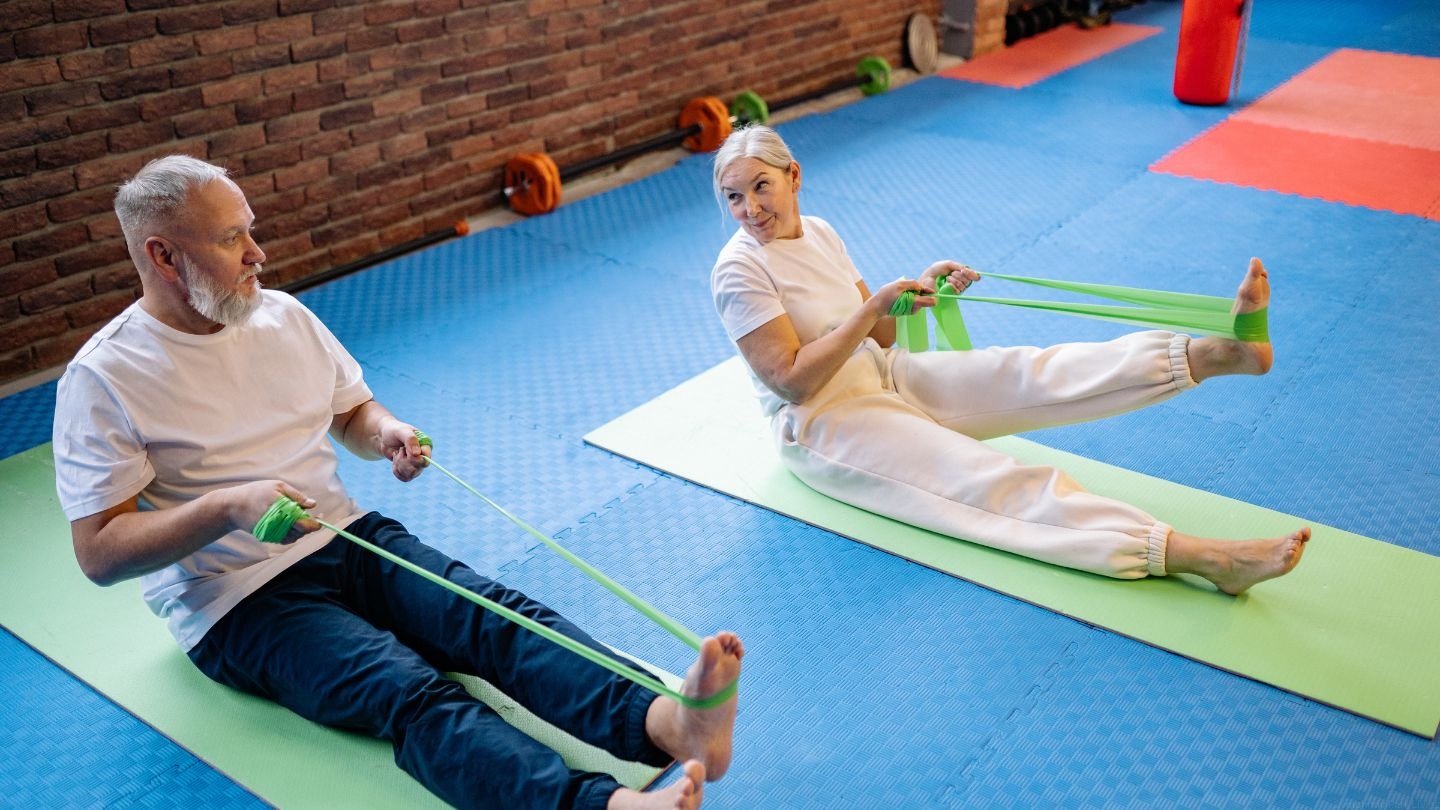
Resistance Band Rows
Resistance bands are affordable, easy to use at home, and gentle on the joints. A seated or standing row with a band works the muscles of your upper back, which tend to weaken with age and contribute to that forward-slouching posture many people develop over time.

Dumbbell Bicep Curls
Simple dumbbell curls strengthen the arms and improve your ability to lift and carry everyday objects. Start with a light weight, around 3 to 5 pounds, and focus on controlled movement. You can do these seated, which makes them accessible for people who have trouble standing for extended periods.

Wall Push-Ups
Traditional push-ups on the floor can be hard on the wrists and shoulders. Wall push-ups achieve a similar result with much less strain. They strengthen the chest, shoulders, and triceps, and you can make them easier or harder simply by moving your feet closer to or further from the wall.
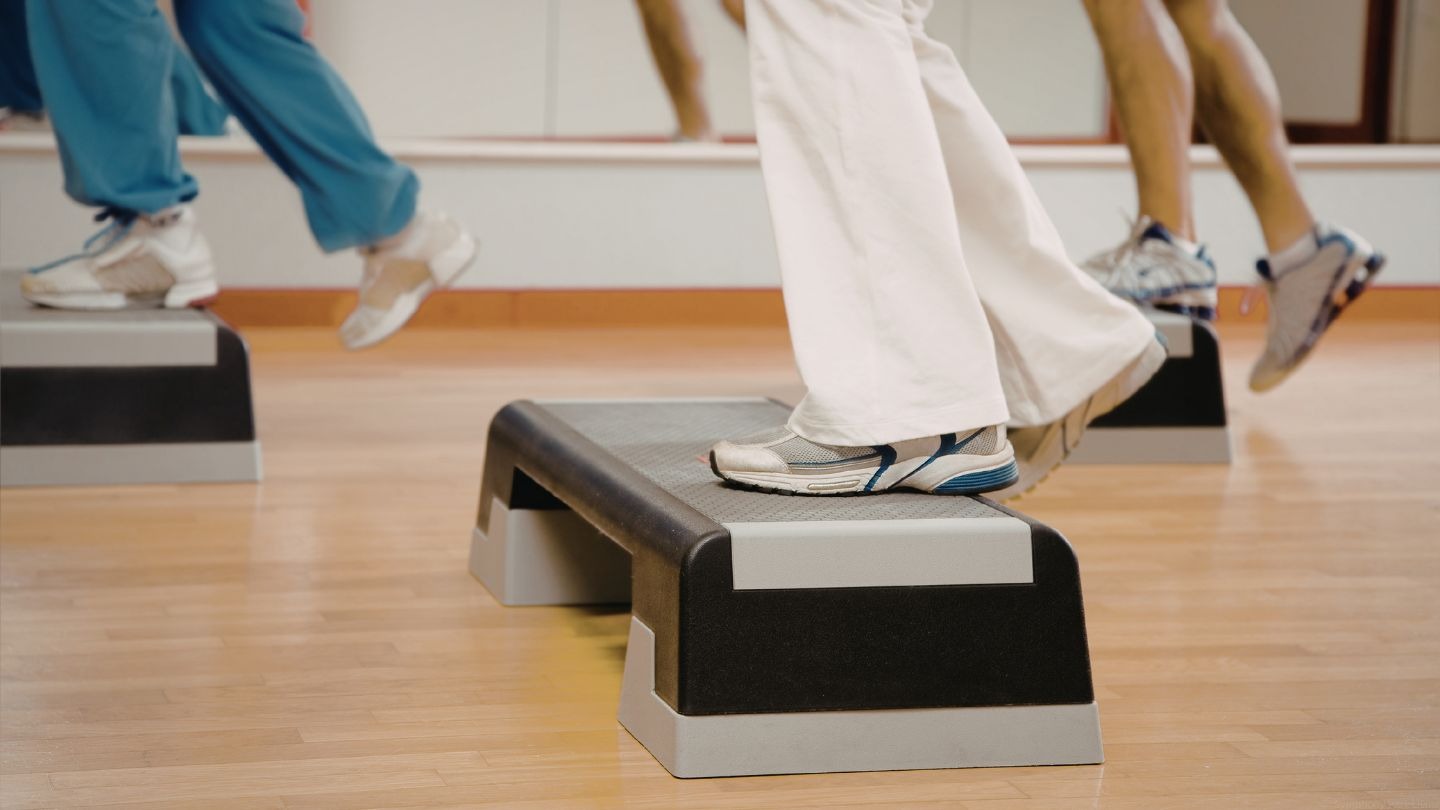
Step-Ups
Using a low step or sturdy platform, step-ups train the same muscles used for climbing stairs. They improve leg strength, coordination, and balance all at once. If you use a handrail for support at first, that is perfectly fine. The goal is to build confidence and strength over time.

Plank Holds
Core strength is the foundation for almost every movement you make. A plank, even held for just 10 to 20 seconds at first, engages the deep muscles of your abdomen, back, and hips. A modified plank on your knees is a great option if a full plank is not yet comfortable.
How Often Should Seniors Strength Train?
The American College of Sports Medicine and the CDC both recommend that older adults perform muscle-strengthening activities at least two days per week. These sessions do not have to be long. Even 20 to 30 minutes of focused resistance training twice a week can produce meaningful results over time.
Rest days between sessions are important. Your muscles need time to recover and rebuild, which is actually when the strength gains happen. A common schedule for beginners is to train on Monday and Thursday, or Tuesday and Friday, leaving at least one full rest day between workouts.
As you get stronger and more comfortable with the movements, you can add a third session per week if you would like. But two solid sessions a week, done consistently, will take you very far.
Tips for Getting Started Safely
Starting a new exercise routine in your 60s, 70s, or beyond is something to feel proud of, not intimidated by. Here are some practical tips to help you begin on the right foot:
- Start light and progress slowly. Choose weights or resistance levels that feel manageable. A good rule of thumb is that the last two or three reps of each set should feel challenging, but you should always be able to maintain good form.
- Always warm up first. Five to ten minutes of light walking or gentle stretching before your workout gets blood flowing to your muscles and reduces your injury risk.
- Focus on form over weight. Using the wrong form while lifting can cause injury. Learning to move correctly is more important than how much weight you are lifting, especially in the beginning.
- Stay hydrated. Older adults are more prone to dehydration during exercise. Drink water before, during, and after your workout.
- Listen to your body. Some muscle soreness a day or two after a workout is normal. Sharp pain during exercise is not. If something hurts, stop and check in with your doctor.
- Find a workout partner or class. Exercising with a friend or group keeps you accountable, makes the time more enjoyable, and provides an extra layer of safety.
What About Nutrition?
Exercise and nutrition go hand in hand, especially when it comes to building and maintaining muscle. Protein is the most important nutrient for muscle repair and growth. Many older adults do not eat enough of it. Current research suggests that seniors need more protein than younger adults, somewhere around 1.0 to 1.2 grams of protein per kilogram of body weight per day, or even higher if you are actively strength training.
Good protein sources include eggs, chicken, fish, Greek yogurt, cottage cheese, legumes, and nuts. Try to spread your protein intake across meals rather than eating most of it at once, since your body can only use so much at a time for muscle synthesis.
Calcium and Vitamin D are also important, particularly for bone health. If you are not getting enough of these through food alone, your doctor may recommend supplements. A registered dietitian can help you create an eating plan that supports your fitness goals.
Common Myths About Strength Training for Seniors
Myth: Lifting Weights Will Make Me Bulky
This is one of the most common concerns, especially among women. The reality is that building large amounts of muscle requires very specific training, very high volumes of work, and often specific hormonal conditions. For older adults, the focus is on building functional strength, and the result is a leaner, more toned physique, not a bodybuilder look.
Myth: I Am Too Old to Build Muscle
Research has shown that adults well into their 80s and 90s can gain meaningful muscle and strength with a consistent resistance training program. Age slows the process somewhat, but it does not stop it. Consistency is what matters most.
Myth: Cardio Is More Important Than Weights
Cardio is excellent for heart health, and you should absolutely include it in your routine. But strength training provides benefits that cardio simply cannot replicate, including muscle preservation, bone density, and improved balance. The two types of exercise complement each other, and both should be part of a complete fitness plan.
Myth: Strength Training Is Dangerous for Seniors
Done with proper form and appropriate weights, strength training is remarkably safe for older adults. In fact, the research suggests that not doing strength training carries far greater risks, including muscle loss, falls, fractures, and a decline in overall health and independence.
It Is Never Too Late to Get Stronger
Strength training for seniors is one of the most well-supported and effective things you can do to protect your health as you age. It preserves your muscles, strengthens your bones, improves your balance, supports your mental health, and helps you stay independent longer. The barrier to entry is lower than most people think. You do not need a gym membership or fancy equipment to get started. A few resistance bands, a pair of light dumbbells, and a clear plan can take you further than you might expect.
Start where you are, be consistent, and give your body the credit it deserves. The strength you build in the coming months will be something you will be grateful for every single day.
Frequently Asked Questions
How often should seniors do strength training?
What is the best type of strength training for seniors?
Can strength training help with arthritis pain?
Do I need to go to a gym to strength train as a senior?
Is it safe to start strength training at 70 or older?
Related posts
Learn more about senior living and retirement in North Carolina.

Why Bill Sweeney Chose Symphony Park

What Does "Luxury" Really Mean in Independent Living?

My Children Live in Charlotte, How Do I Know if Symphony Park Is Right for Me?
Contact Us
More than senior living apartments—Luxury independent living awaits you at Symphony Park. Contact us today to explore resort-style retirement living in North Carolina.