
Creating a Legacy Beyond Your Life Story
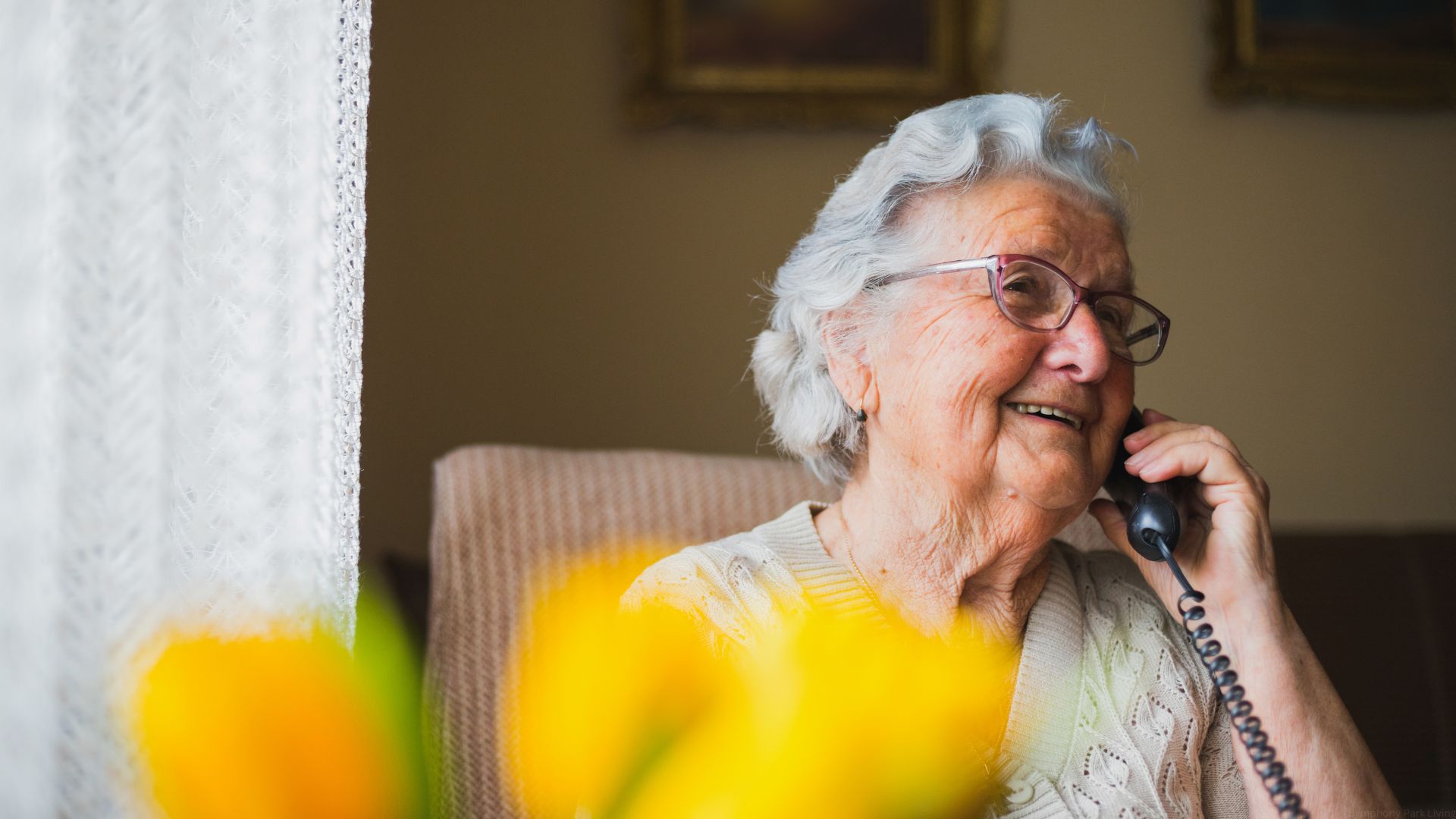
Most of us think about legacy in terms of what we leave behind when we're gone. A name on a building, money passed down to children, or a family heirloom handed from one generation to the next. But legacy is much bigger than that. It's the imprint you leave on the people around you every day. It's the values you model, the stories you share, the time you give, and the choices you make about how you want to matter in the world.
For older adults especially, this is often a season of reflection. You've built a life. You've gathered experience, wisdom, relationships, and meaning. The question isn't whether you have a legacy worth leaving. The question is how you want to shape it.
Legacy Goes Beyond What You Own
Financial and material inheritance are part of legacy planning, but they're only one piece of a larger picture. Research on what people value most from the older generations in their lives consistently points not to money or property, but to wisdom, values, and presence.
Think about the older adults who mattered most to you growing up. What do you remember? Chances are it's something they said, a way they treated people, a skill they taught you, or the way they made you feel when you were with them. That's legacy. And it doesn't require a will to pass it on.
Writing an Ethical Will
An ethical will, sometimes called a legacy letter, is a personal document that captures what you most want to pass on to the people you love. Unlike a legal will, which distributes property, an ethical will shares values, beliefs, life lessons, hopes, and blessings.
There is no required format. Some people write several pages. Others keep it to a single heartfelt letter. What matters is honesty and intention. You might include:
- The values you've tried to live by and why they matter to you
- Lessons you learned the hard way that you hope others won't have to
- Memories you treasure most and what made them meaningful
- What you hope for the people you're leaving these words to
- Forgiveness, gratitude, or things left unsaid that deserve to be said
An ethical will can be shared while you're still alive, which many people find surprisingly meaningful. Reading it together or recording it as a video can open conversations that might never have happened otherwise.
Mentoring and Teaching Others
One of the most direct ways to build a legacy is by sharing what you know with someone who needs it. Mentoring doesn't have to be formal. It can be as simple as being a consistent presence in a grandchild's life, volunteering your professional expertise to a nonprofit or small business, or teaching a skill to a neighbor's teenager.
Many communities have programs that match retired professionals with young people or small organizations looking for guidance. SCORE, for example, is a national nonprofit where experienced business professionals mentor small business owners and entrepreneurs. Literacy programs, after-school programs, and community colleges often welcome older adults who want to share their knowledge.
The impact of this kind of legacy is impossible to measure, and that's exactly the point. You'll never fully know how many lives you've touched through one honest conversation or one skill passed along.
Charitable Giving as a Legacy
Supporting causes you believe in is another powerful way to shape your legacy. This doesn't require great wealth. Charitable giving takes many forms, and even modest contributions made consistently over time can add up to something significant.
Some options to consider include:
Bequests
A bequest is a gift left to a charity through your will or estate plan. It can be a specific dollar amount, a percentage of your estate, or a particular asset like a piece of property or a stock portfolio. Bequests are one of the most common forms of planned giving and allow you to support causes you care about without affecting your finances during your lifetime.
Donor-Advised Funds
A donor-advised fund (DAF) lets you make a charitable contribution now, receive an immediate tax deduction, and then recommend grants to specific nonprofits over time. It's a flexible way to involve family members in giving decisions and build a culture of generosity that extends beyond you.
Named Scholarships or Endowments
Many universities, community colleges, libraries, and nonprofits accept donations to establish named scholarships or funds. This creates a lasting structure that reflects your values and continues to support people long after you're gone.
Volunteering Your Time
For people who prefer giving time over money, sustained volunteer work at a cause you believe in leaves its own kind of legacy. The relationships you build and the work you contribute become part of an organization's story.
Preserving Family Stories and History
Family history is one of the most precious things older adults hold. Stories, photographs, letters, recipes, traditions, and memories that have never been written down are at risk of being lost. Preserving them is a gift that future generations will treasure.
There are many ways to approach this. Some people record oral history interviews, either with a family member asking questions or on their own with a voice recorder. Others write memoirs or shorter collections of personal stories. Organizations like StoryCorps offer frameworks and resources for recording and preserving conversations.
Collecting and organizing old photographs with handwritten captions naming who's in them and what was happening is another simple and powerful step. So is documenting family recipes, holiday traditions, or the stories behind meaningful objects. Even a short note attached to an heirloom explaining what it meant and where it came from can turn an object into something priceless.
Living Your Legacy Now
Perhaps the most overlooked part of legacy-building is that it happens in real time. How you show up for people today is your legacy in progress. The patience you offer, the interest you take in someone else's life, the honesty you bring to hard conversations, the generosity you model without making a show of it.
This is worth sitting with. Legacy isn't only built through big gestures or formal documents. It's built through the accumulation of small choices made with care. The question to ask isn't just what you want to leave behind. It's how you want to live while you're still here.
If you're thinking about where to start, consider talking to an estate planning attorney about formal legacy tools like ethical wills and charitable giving strategies. You might also explore our related post on life story writing for ideas on capturing your personal history.
Frequently Asked Questions
What is the difference between an ethical will and a regular will?
Do I need a lawyer to create a legacy plan?
How do I start recording my family history if I don't know where to begin?
Can charitable giving affect my taxes?
Is it too late to start building a legacy?
Related posts
Learn more about senior living and retirement in North Carolina.

What Makes Symphony Park's Food a Cut Above the Rest?

A Day in the Life at a Luxury 55+ Community
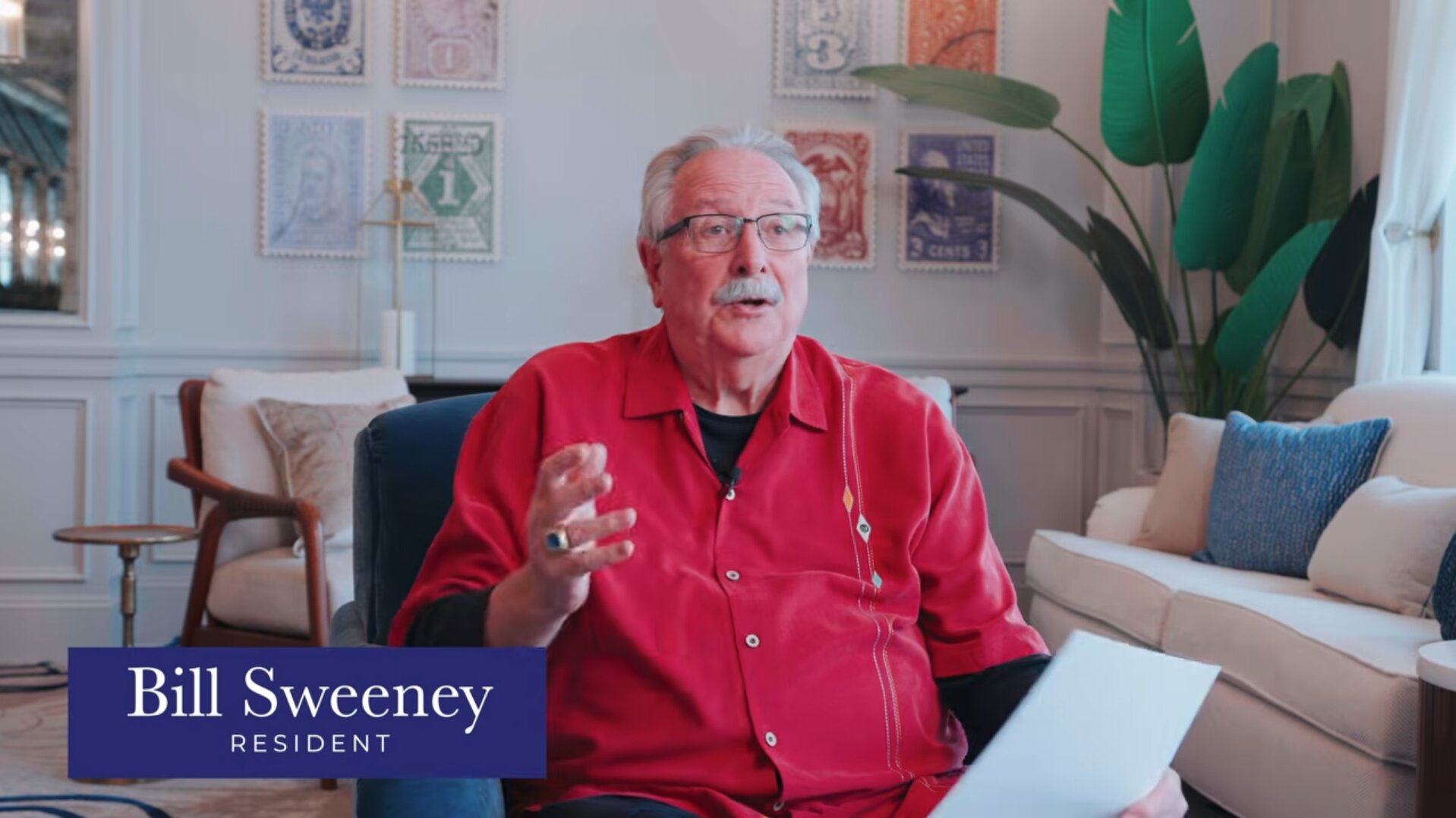
Why Bill Sweeney Chose Symphony Park
Contact Us
More than senior living apartments—Luxury independent living awaits you at Symphony Park. Contact us today to explore resort-style retirement living in North Carolina.