
How Sleep Changes as You Age (and What to Do About It)
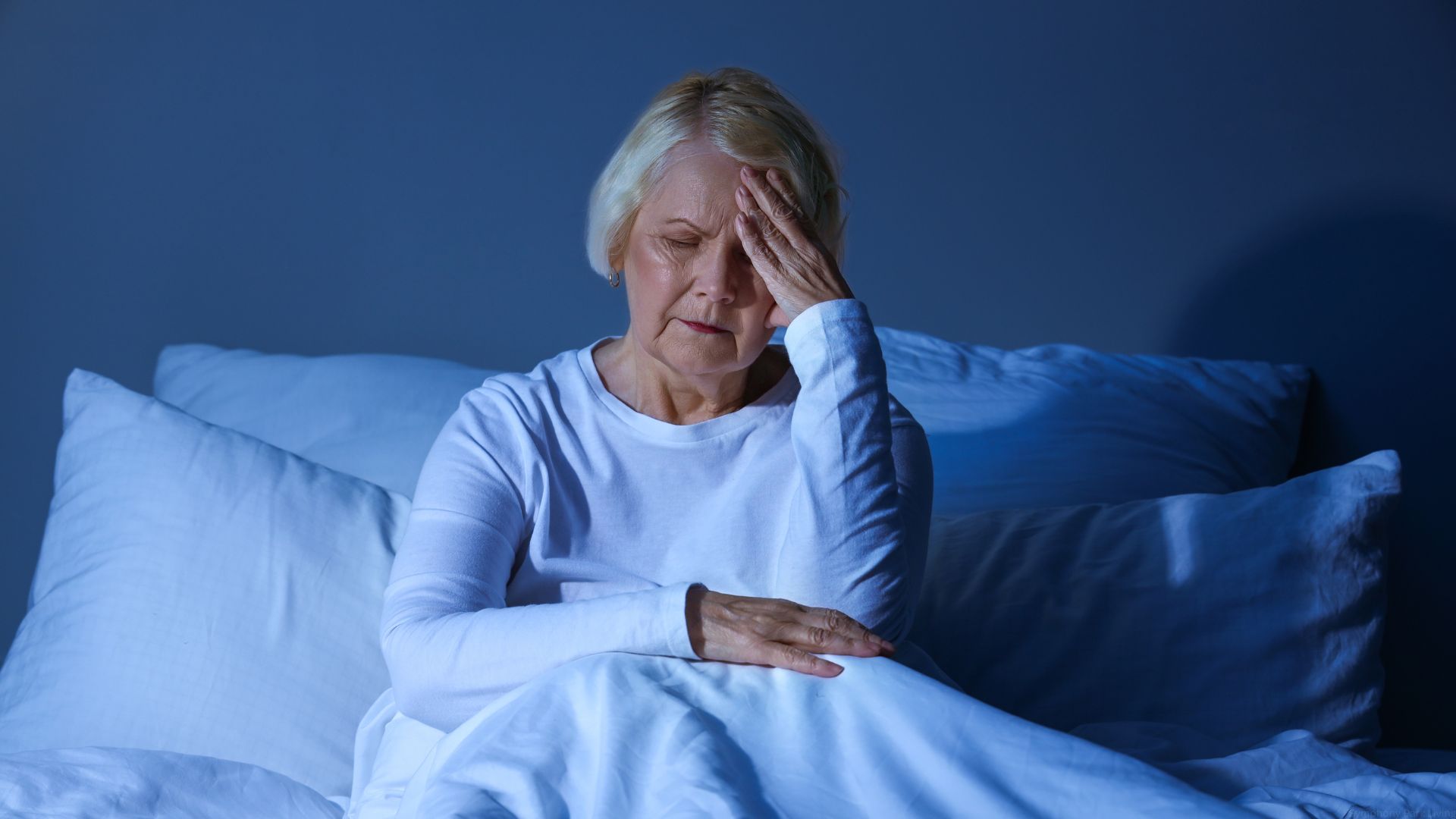
If you have noticed that sleep does not come as easily as it once did, you are not imagining things. Sleep patterns shift as we get older, and for many adults over 60, those changes can feel frustrating and confusing. The good news is that poor sleep is not simply an unavoidable part of aging. Understanding what is happening in your body, and why, puts you in a much better position to do something about it.
Why Sleep Changes as You Age
Your body goes through several physical and hormonal changes over the years that directly affect how you sleep. These are not signs that something is wrong. They are normal biological shifts, but they are worth understanding so you know what you are dealing with.
Your Circadian Rhythm Shifts
The circadian rhythm is your body's internal clock. It controls when you feel alert and when you feel sleepy. As you age, this clock tends to shift earlier. You may find yourself feeling tired by 8 or 9 in the evening and then waking up by 4 or 5 in the morning. This is called an advanced sleep phase, and it is one of the most common changes adults notice after 60.
You Spend Less Time in Deep Sleep
Sleep happens in cycles. Each cycle includes lighter stages of sleep, a stage of deep sleep, and REM sleep, which is when most dreaming occurs. Older adults spend less time in the deeper stages of sleep. That means more time in lighter sleep, which makes it easier to wake up from small sounds, temperature changes, or even just shifting positions in bed.
Melatonin Production Slows Down
Melatonin is a hormone your brain produces to signal that it is time to sleep. As you age, your body produces less of it, and it tends to kick in later in the evening. This can make it harder to feel sleepy at a reasonable hour and can disrupt your overall sleep pattern.
Health Conditions and Medications Play a Role
Conditions like arthritis, acid reflux, frequent urination, and heart disease can all interrupt sleep. Many common medications, including certain blood pressure drugs, diuretics, and antidepressants, can also affect sleep quality. If you suspect a medication is interfering with your rest, it is worth having that conversation with your doctor.
Common Sleep Problems in Older Adults
While some sleep changes are a natural part of aging, others point to specific conditions that deserve attention.
Insomnia
Insomnia is the most common sleep disorder in older adults. It can mean trouble falling asleep, staying asleep, or waking up too early and not being able to get back to sleep. Chronic insomnia, meaning it happens at least three nights a week for three months or more, should be discussed with a doctor. Cognitive behavioral therapy for insomnia, known as CBT-I, is one of the most effective treatments available and does not rely on medication.
Sleep Apnea
Sleep apnea causes you to briefly stop breathing during sleep, sometimes dozens of times a night. Many people are not aware it is happening. Signs include loud snoring, waking up with a headache, feeling exhausted after a full night of sleep, or a partner noticing you stop breathing. Sleep apnea is more common in older adults and is linked to higher risks of heart problems and cognitive decline if left untreated. A sleep study can confirm a diagnosis, and there are effective treatment options.
Restless Legs Syndrome
Restless legs syndrome creates an uncomfortable urge to move your legs, especially in the evening or when lying down. It can make falling asleep genuinely difficult. The condition is more common in older adults and can often be managed with lifestyle changes, though medication is available for more severe cases.
What You Can Do to Sleep Better
There is no single fix for age-related sleep changes, but a combination of good habits can make a real difference. Sleep experts call these habits sleep hygiene, which simply means building routines and an environment that support better sleep.
Keep a Consistent Sleep Schedule
Going to bed and waking up at the same time every day, including weekends, helps anchor your body's internal clock. Even if you sleep poorly one night, resist the urge to sleep in. Staying on a schedule helps your body know when to feel tired and when to wake up.
Create a Sleep-Friendly Environment
Your bedroom should be cool, dark, and quiet. Many older adults sleep better when the room is kept between 65 and 68 degrees Fahrenheit. Blackout curtains, a white noise machine, or earplugs can all help if light or sound is an issue. Reserve your bed for sleep rather than watching television or scrolling on a phone.
Limit Alcohol and Caffeine
Alcohol might seem to help you fall asleep faster, but it disrupts sleep quality in the second half of the night and reduces REM sleep. Caffeine can stay in your system for up to eight hours, so an afternoon cup of coffee may still be affecting you at midnight. Paying attention to both of these substances can have a noticeable impact on how well you rest.
Get Regular Exercise
Physical activity is consistently linked to better sleep. You do not need an intense workout. A daily walk, water aerobics, or a gentle yoga routine can all help you fall asleep faster and sleep more soundly. Try to finish exercise at least a few hours before bed so your body has time to wind down.
Manage Stress and Anxiety
Worry and an overactive mind are among the most common reasons people lie awake at night. Practices like deep breathing, progressive muscle relaxation, or meditation before bed can help calm the nervous system. Journaling your worries before bed, getting them out of your head and onto paper, can also make it easier to let them go.
Limit Naps
A short nap of 20 to 30 minutes can be refreshing, especially if you have had a poor night of sleep. But longer naps, or napping late in the afternoon, can make it harder to fall asleep at night and reinforce a broken sleep pattern. If you find yourself needing long naps regularly, that may be worth discussing with a doctor.
Talk to Your Doctor
If sleep problems are affecting your daily life, your mood, your memory, or your ability to function, bring it up with your physician. Sleep deprivation has real health consequences over time, including a higher risk of cognitive decline, cardiovascular disease, and depression. You deserve real support, not just reassurance that poor sleep is normal.
The Takeaway on Sleep and Aging
Sleep does change as you get older, but that does not mean you have to accept years of poor rest. Understanding what is behind those changes gives you the tools to respond thoughtfully. Whether it is adjusting your environment, rethinking evening habits, or having an honest conversation with your doctor, there are real steps you can take. Better sleep is possible, and it is worth pursuing.
Frequently Asked Questions
Is it normal to wake up multiple times at night as you get older?
How many hours of sleep do older adults need?
Can sleep problems be a sign of dementia?
Are sleep aids safe for older adults?
Does retirement affect sleep?
Related posts
Learn more about senior living and retirement in North Carolina.

What Does "Luxury" Really Mean in Independent Living?

My Children Live in Charlotte, How Do I Know if Symphony Park Is Right for Me?

Questions to Ask Before Choosing a 55+ Luxury Community
Contact Us
More than senior living apartments—Luxury independent living awaits you at Symphony Park. Contact us today to explore resort-style retirement living in North Carolina.