
Why Having Something To Look Forward To Matters as You Age

Think back to the last time you were really excited about something coming up. Maybe it was a trip, a family visit, a birthday dinner, or even just a good book waiting on your nightstand. That feeling of anticipation, that quiet hum of excitement in the background of your day, does more for your health than most people realize.
As we get older, life can sometimes become more routine, and the calendar can feel emptier than it used to. But research tells us that having something to look forward to is not just a nice feeling. It is a meaningful contributor to mental and physical health as we age.
The Science Behind Anticipation
Anticipation is what psychologists call a "future-oriented emotion." When we expect something positive to happen, our brains release dopamine, the same chemical associated with pleasure and reward. Interestingly, studies have found that the anticipation of a positive event can trigger just as much, or sometimes even more, dopamine activity as the event itself. In other words, looking forward to something good is genuinely good for you.
For older adults, this matters a great deal. Research published in the journal Psychological Science found that people who had a stronger sense of purpose and positive anticipation in their daily lives had lower rates of cognitive decline and lived longer on average than those who did not. Purpose and anticipation are closely linked. When you have something to look forward to, you have a reason to stay engaged, stay healthy, and stay connected.
Why This Can Get Harder With Age
It would be dishonest to ignore the reality that maintaining a sense of anticipation can become more challenging as we get older. Retirement changes the structure of daily life in ways that can feel disorienting. Friends and loved ones may move away or pass on. Health challenges can limit activities that once brought joy. Children grow up and have their own busy lives.
These changes do not mean that joy or excitement are no longer available to us. But they may require more intentional effort to create. The good news is that the effort is absolutely worth making, and it does not take dramatic changes to see real results. Small, consistent sources of positive anticipation can be just as powerful as the big moments.
What Counts as Something To Look Forward To
This is where many people get stuck. They think that having something to look forward to means planning a big vacation or a major milestone event. While those things are wonderful, they are not the only options, and they are certainly not required. Some of the most effective sources of positive anticipation are surprisingly ordinary.
Weekly Rituals and Routines
A standing Sunday brunch with a friend, a weekly card game, a regular call with a grandchild, a new episode of a favorite show on Thursday nights. These small, recurring events give the week a rhythm and provide consistent points of positive expectation. They do not need to be elaborate to matter. Learn more about routines and structured living.
Creative Projects
Working on something over time, whether it is a painting, a knitting project, a garden, a scrapbook, or a piece of writing, creates a built-in reason to look ahead. There is always a next step, a next layer, a next idea. Creative projects are especially powerful because they also generate a sense of accomplishment, which compounds the psychological benefit.
Learning Something New
Signing up for a class, whether in person or online, gives you something to prepare for and look forward to each week. Learning keeps the brain active and introduces you to new people and ideas. It does not matter whether it is cooking, watercolor, Spanish, or photography. The act of learning itself carries tremendous value at any age.
Planned Time With People You Love
Few things create more positive anticipation than knowing you will see someone who matters to you. Scheduling visits, trips, or even regular video calls with family and friends gives you a clear marker on the calendar that pulls you forward through the ordinary days.
Events in the Community
Local concerts, lectures, festivals, theater productions, and sporting events all offer low-barrier opportunities for positive anticipation. Many senior living communities and local arts organizations offer programs specifically designed for older adults, often at reduced cost.
The Connection Between Anticipation and Mental Health
Depression and anxiety are unfortunately common among older adults, and they are often underdiagnosed and undertreated. One of the hallmark symptoms of depression is what clinicians call "anhedonia," the loss of interest or pleasure in activities. When someone has nothing to look forward to, it both reflects and reinforces depressive thinking.
Creating sources of positive anticipation is not a cure for clinical depression, and anyone experiencing persistent sadness should speak with their doctor. But having things to look forward to serves as a genuine protective factor against the kind of emotional flatness that can creep in during life's quieter seasons. It gives the mind something to orient toward, something hopeful and concrete, which counters the inward pull of low mood.
Anticipation and Physical Health
The connection between mental and physical health is real and well-documented. People who have higher levels of positive emotion and life engagement tend to have lower blood pressure, stronger immune function, and better sleep. They are also more likely to take care of themselves physically, because they have reasons to feel good and want to keep feeling that way.
One study from Carnegie Mellon University found that people who experienced more positive emotions on a day-to-day basis were significantly less likely to get sick when exposed to a cold virus. Another study found that older adults with a stronger sense of purpose were more likely to engage in health-promoting behaviors like exercise and regular medical care.
When you have something to look forward to, you are more motivated to stay well enough to enjoy it. That simple truth has a real effect on how people treat their bodies day to day.
How To Start Building More Anticipation Into Your Life
If your calendar has been feeling empty lately, here are some practical ways to start filling it with things worth looking forward to.
- Make a list of things you have always wanted to try or do, and pick one to schedule.
- Call a friend or family member and plan a specific visit or call, not a vague "we should get together" but an actual date and time.
- Look into classes, clubs, or groups in your area centered on an interest of yours.
- Create a small personal tradition, a weekly ritual that is just for you or shared with someone you love.
- Plan a trip, even a short or modest one. The planning itself is part of the joy.
- Set a creative or learning goal with a natural endpoint, like finishing a quilt, reading a certain number of books, or learning ten new recipes by the end of the year.
The key is specificity. Vague intentions rarely generate anticipation. A specific plan, a real date on the calendar, something you can think about and prepare for, does.
Choosing a Community That Feeds Your Sense of Anticipation
For older adults considering a move to a senior living community, one of the most important things to evaluate is the calendar. Not just what activities are offered, but how often, how varied, and how engaging they genuinely are. A community that keeps life full, social, and interesting is not a luxury. It is a legitimate contributor to health and longevity.
Symphony Park in Huntersville, North Carolina is built around this idea. With a full events calendar, multiple dining venues, art studios, fitness classes, music programming, and regular guest speakers and special events, residents have no shortage of things to look forward to. The community is designed so that every week offers something worth putting on the calendar, whether it is a new cooking class, a live performance, a pool fitness session, or simply a standing dinner reservation with friends in the neighborhood.
The Takeaway
Anticipation is not a trivial emotion. It is a driver of mental health, physical wellbeing, and longevity. Having something to look forward to, whether it is big or small, gives daily life direction and meaning. As we age, cultivating that forward-looking mindset may require more intention than it once did, but the reward is worth every bit of the effort. Look ahead. Make plans. Put things on the calendar. Your future self will thank you.
Frequently Asked Questions
Why is it important to have things to look forward to as you get older?
What if I do not feel excited about anything right now?
Does the thing I am looking forward to have to be a big event?
How does anticipation affect physical health?
How can a senior living community help with this?
Related posts
Learn more about senior living and retirement in North Carolina.
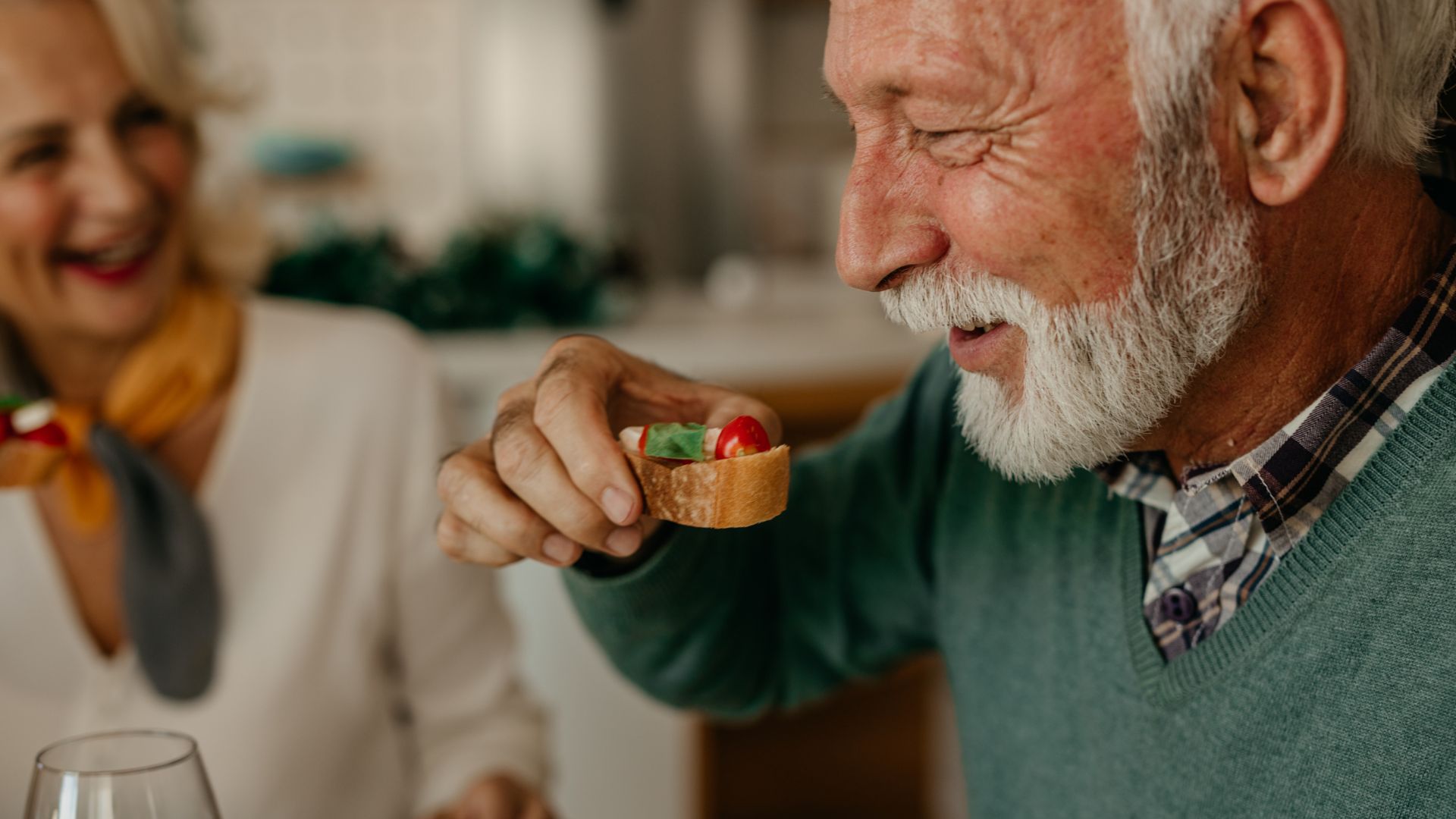
A Day in the Life at a Luxury 55+ Community
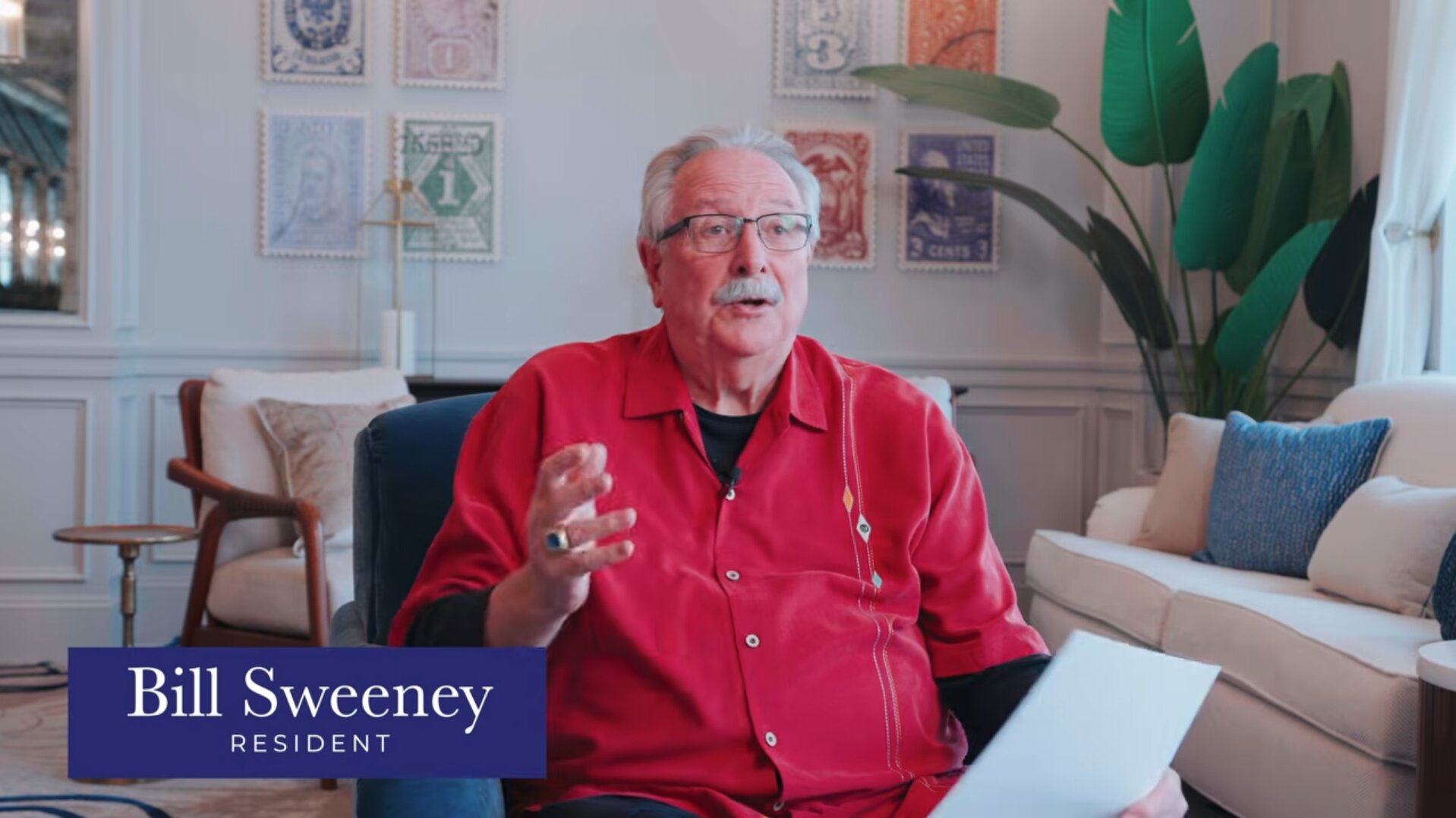
Why Bill Sweeney Chose Symphony Park

What Does "Luxury" Really Mean in Independent Living?
Contact Us
More than senior living apartments—Luxury independent living awaits you at Symphony Park. Contact us today to explore resort-style retirement living in North Carolina.